How to wash a wool coat: 6 steps to a fresh finish
A step-by-step guide to washing a wool coat at home: checking the label, hand and machine washing, drying flat and pressing it back into shape.
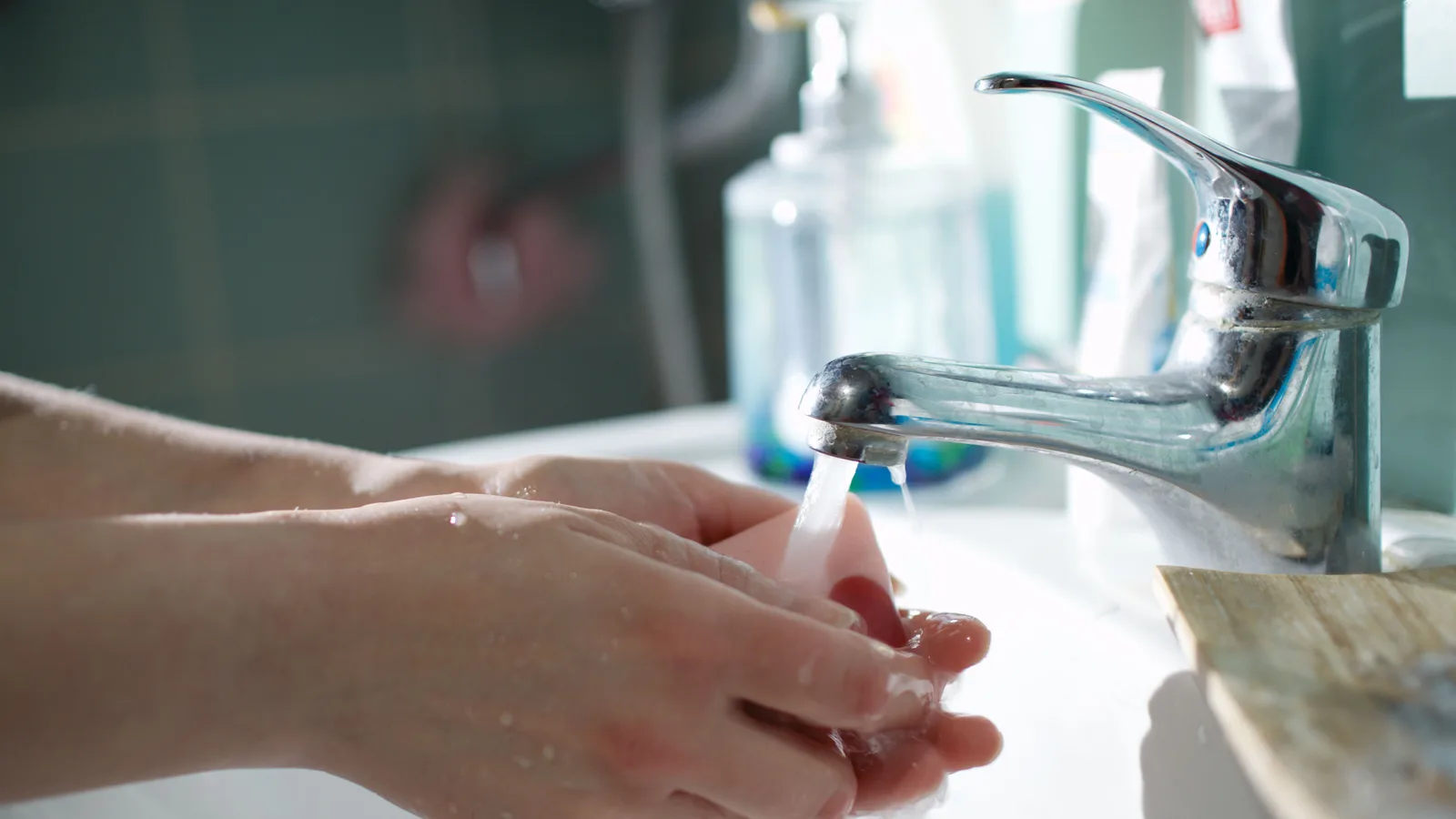
The short answer: yes, most wool coats can be washed at home
Most wool coats can be washed at home, as long as the care label allows it. Wool is a protein fibre and it dislikes three things: heat, agitation and sudden changes in temperature. Keep the water cool, move the coat as little as possible and dry it flat, and it will come out clean, soft and still the right shape.
The label has the final say. A washtub symbol, with or without a hand inside it, means home washing is fine. A circle containing the letter P or F, or the words 'dry clean only', mean the coat should go to a professional. Wool that has been fused to interlining and pressed into a tailored shape will not survive a basin, however gently you treat it.
How often should you wash it? Far less often than you think. Wool repels dirt and shrugs off odour much better than cotton, so brushing, airing and spot-cleaning deal with most marks. A full wash once or twice a season is plenty, plus one before the coat goes into storage at the end of winter.
What you need before you start
Get everything together first so the coat is never left sitting wet while you hunt for a towel.
- A clean bath or a large basin, rinsed free of any soap residue
- A pH-neutral wool detergent or a mild shampoo — never a biological powder
- Two or three clean white towels
- A soft clothes brush
- A mesh laundry bag, if you plan to use the machine
- A flat drying rack, or towels laid on a clean floor
- Water temperature
- Cool to lukewarm — 30°C at the very most. Hot water is what makes wool felt.
- Detergent
- Wool-specific or pH-neutral liquid. No biological powder, no bleach, no fabric softener.
- Machine settings
- Wool or hand-wash programme, 30°C, lowest spin speed, mesh bag, nothing else in the drum.
- Drying method
- Flat, away from radiators and direct sun. Never on a hanger and never in a tumble dryer.
- Time needed
- Under an hour of hands-on work, then a day or two of flat drying before it is ready to wear.
How to wash a wool coat in 6 steps
-
Read the care label and check the fibre content
Find the label in the inside seam and look at both the symbols and the fibre mix. Pure wool and wool-rich blends usually wash well. A coat with a high proportion of viscose, or one with shoulder pads, a fused front and a structured collar, is safer with a professional. If the label allows hand washing or a wool cycle, carry on.
-
Empty the pockets, brush it down and fasten it up
Turn out every pocket and remove belts, detachable hoods, faux-fur trims and brooches. Brush the whole coat downwards with a soft clothes brush to lift surface dust and hairs — once that grit is wet it works its way into the fibres. Do up the buttons and zip, then turn the coat inside out so the lining and the face fabric rub against each other as little as possible.
-
Treat marks before the coat gets wet
Blot spills rather than rubbing them. Dab a little cool water and wool detergent onto the mark with a clean cloth, working from the outside of the stain inwards, then blot dry. Test any detergent on an inside hem first to make sure it does not lift the colour. Greasy marks on cuffs and collars often need a second, gentler dab once the coat is in the water.
-
Wash by hand or on a wool cycle
By hand: fill the basin with cool water, add a small amount of wool detergent, lower the coat in and let it soak for a few minutes. Squeeze the suds gently through the fabric with flat hands — no rubbing, no scrubbing, no twisting. By machine: seal the coat in a mesh bag, choose the wool or hand-wash programme at 30°C, drop the spin to its lowest setting and wash the coat on its own so nothing else pulls at it.
-
Rinse in water of the same temperature
Lift the coat out supporting it with both hands and empty the basin, then refill with clean water at the same temperature. Rinse twice, squeezing gently, until the water runs clear. Keeping every rinse the same temperature matters: a cold rinse after a warm wash shocks the fibres and is a common cause of shrinkage.
-
Press the water out and dry it flat
Lay the coat on a clean towel, roll the towel up with the coat inside and press down to draw out the water. Never wring it and never lift it by the shoulders while it is heavy and wet. Lay it flat on a drying rack, open the front, straighten the sleeves and reshape the collar and lapels with your hands. Leave it for a day or two, turning it gently every few hours so the underside dries too.
Hand washing or machine washing?
Both work. Hand washing is slower but gives you far more control, and it is the safer choice for a coat you are unsure about. A machine wool cycle is fine for a wool-rich coat with a clear label — the risk is not the water, it is the drum.
| What changes | By hand | Washing machine |
|---|---|---|
| Best for | Pure wool, older coats, anything with a soft or loose weave | Wool-rich coats whose label shows a wool or hand-wash programme |
| Water temperature | Cool to lukewarm, 30°C at most | 30°C wool cycle, no pre-wash and no extra rinse |
| Movement | Gentle squeezing with flat hands only | Drum action, softened by a mesh bag and a full load of one |
| Spin | None — water is pressed out in a towel | Lowest spin available, so the coat stays damp rather than creased |
| Main risk | Temperature shock between wash and rinse water | Felting or stretching if the cycle runs too warm or too long |
Pressing and reshaping after washing
A dry wool coat usually looks a little limp, with soft creases along the sleeves and a flattened collar. Steam is what brings it back.
Hang the coat on a broad, shaped hanger that supports the shoulder seams and let it settle for an hour or two. Then steam it rather than ironing it: hold a steam iron a couple of centimetres above the fabric, or press through a clean cotton cloth on the lowest steam setting. Work section by section — collar, lapels, front edges, sleeves — and let the weight of the iron do the work instead of pressing down.
Finish with a light brush in the direction of the nap and leave the coat to hang overnight so any remaining moisture escapes. If the sleeves have dried with a crease across them, a handheld steamer held inside the sleeve will drop it out.
When a wool coat needs a professional
Some coats are simply not basin jobs, and forcing it costs more than the cleaning would have. Take it to a dry cleaner if:
- The care label says dry clean only, or shows a P or F in a circle
- The coat is tailored with shoulder pads, a fused chest piece or a stiffened collar
- It has beading, embroidery, appliqué or glued-on trim
- There are leather, suede or shearling panels, even small ones on the cuffs or collar
- The lining is a different fibre that may shrink at a different rate
- It is vintage, hand-finished or has a delicate antique lining
A specialist can also help with a coat that has already gone wrong — a felted surface or a shrunken lining is far better assessed by someone who can see it in person.
What commonly goes wrong — and how to fix it
The coat has shrunk or felted. Heat and rubbing mat the wool fibres together, and the change is permanent. You can ease a slightly tight coat back into shape while it is still damp by stretching it gently and pinning it flat, but the texture will stay denser. Prevent it next time by dropping the temperature and the spin.
Water marks or rings have appeared. These come from hard water, too much detergent or uneven drying. Re-wet the whole coat evenly in cool water and dry it flat again in a warmer, better-ventilated room.
The coat feels stiff or scratchy. That is usually detergent left in the fibres. Rinse it once more in cool water without adding anything, then dry flat.
Colour has run into the lining or the cuffs. Rinse immediately in cool water and dry away from sunlight, which sets the bleed. Test an inside seam for colourfastness before washing next time.
It smells musty after drying. The coat dried too slowly. Air it outdoors in moving air for a few hours rather than rewashing it — a second wash weakens the fibres for no reason.
Keeping a wool coat fresh between washes
Most of wool coat care happens without water. Brush the coat down after each wear to lift dust and hairs, and hang it somewhere airy for an hour rather than pushing it straight into a crowded wardrobe. Give it a broad hanger so the shoulders keep their shape, and leave a hand's width between coats so air can move.
For everyday smells, hang the coat in a steamy bathroom for twenty minutes or air it outdoors on a dry, breezy day. Deal with small marks as they happen — a dab of cool water on a fresh mark saves a whole wash later. At the end of the season, wash or clean the coat before storing it, because moths are drawn to traces of food and sweat, and store it in a breathable cotton bag rather than plastic.
Frequently asked questions about washing a wool coat
Can I wash a wool coat in the washing machine?
Only if the care label shows a wool or hand-wash programme. Use 30°C, the lowest spin, a mesh bag and an otherwise empty drum, and use a liquid wool detergent rather than powder.
Will washing a wool coat shrink it?
It can. Shrinkage and felting come from heat, agitation and a sudden drop in water temperature between washing and rinsing. Cool water, minimal movement and matching rinse temperatures keep the fibres relaxed and the size stable.
Can I use fabric softener or ordinary washing powder on wool?
No. Biological powders contain enzymes that attack protein fibres, and fabric softener coats the wool so it loses its natural loft and handle. A pH-neutral wool detergent or a mild shampoo is all a wool coat needs.
Can I tumble dry a wool coat?
No. A tumble dryer combines heat and tumbling, which is exactly what felts wool. Dry the coat flat on a rack instead, away from radiators, and allow a day or two for it to dry right through, including the collar and the lining.
How do I get smoke or cooking smells out of a wool coat?
Hang it outdoors in moving air for a few hours, or in a steamy bathroom for about twenty minutes. Brushing the surface afterwards helps. Washing is a last resort for odour alone, because wool rarely needs it.
Related articles
How to apply foundation: 7 steps to an even finish
A step-by-step guide to the best way to apply foundation: prepping skin, matching your shade, choosing the right tool and fixing streaks and caking.
How to clean silver at home: safe steps for real shine
Silver darkens as it tarnishes, but you can bring the shine back safely. Here is the gentlest way to clean silver jewellery, cutlery and ornaments.

How to moisturise skin: the routine that actually works
Damp skin, the right order and the right formula: a simple, dermatologist-friendly guide to moisturising your face and body properly.