Best Trainers for Walking 2026: 5 Picks for Every Budget
Five walking trainers that actually suit pavement miles, from plush all-day cushioning to a smarter everyday pair — plus fit and width advice.
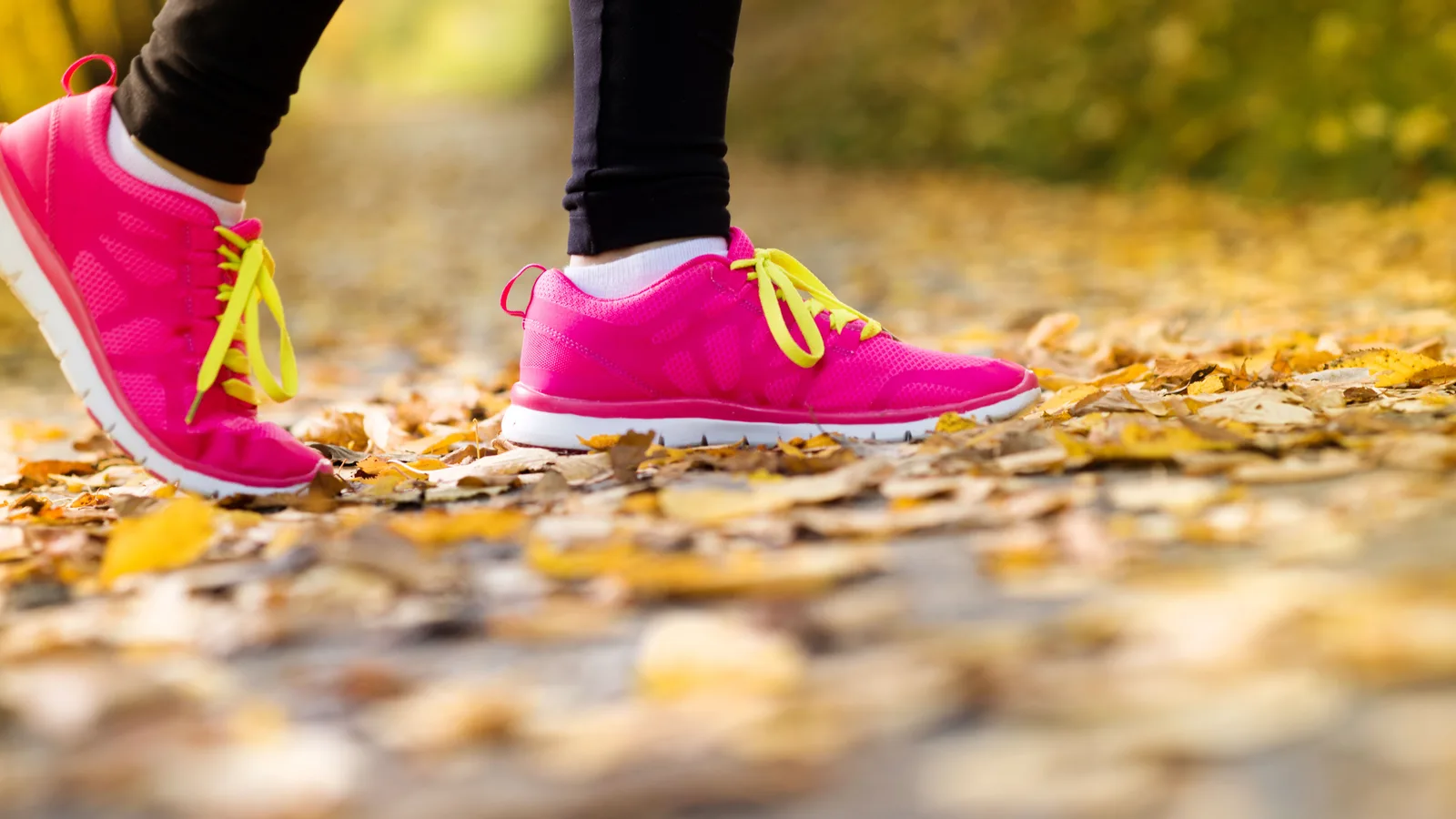
The quick answer: which walking trainer suits you?
Walking miles on pavement asks something different of a trainer than a 5K does: you are upright for longer, your heel lands more softly and far more often, and the shoe has to look presentable enough to wear into a café afterwards. The five below are current, widely sold models, chosen for cushioning that holds up, a fit that does not pinch across the toes and outsoles with enough rubber to survive daily use.
- Best overall: New Balance Fresh Foam X 1080v14 — plush, roomy and sold in several widths.
- Best for long days on your feet: Hoka Clifton 9 — rockered and deeply cushioned.
- Best neutral everyday pick: Brooks Ghost 16 — balanced and forgiving.
- Best for heel comfort: ASICS Gel-Nimbus 26 — a genuinely soft landing under the heel.
- Best for style: On Cloud 5 — smart enough to wear with jeans and a coat.
| Model | Best for | Underfoot feel | Width options |
|---|---|---|---|
| New Balance Fresh Foam X 1080v14 | Best overall | Plush but lively | Several widths |
| Hoka Clifton 9 | Long days on your feet | Deep, rockered cushioning | Standard and wide |
| Brooks Ghost 16 | Neutral everyday walking | Balanced, slightly firmer | Standard and wide |
| ASICS Gel-Nimbus 26 | Heel comfort | Very soft under the heel | Standard fit |
| On Cloud 5 | All-day style | Firm and supportive | Standard fit |
How these five were chosen
This is an editorial shortlist, not a lab test. Each pick was judged on published specifications, the brand's own fit and sizing guidance, and the job the shoe was actually designed for: sustained walking on hard surfaces. Where two models were close, the one with more width options or a more durable outsole won.
The criteria that decided it are listed below, weighted for walking rather than running. Impact forces are lower at walking pace, so comfort and fit count for far more than the stability features a runner might need.
- Cushioning that recovers
- 5.0/5
Foam that springs back after every step matters more than a soft first impression. A midsole that collapses is what leaves your feet aching after a long walk.
- Room in the toe box
- 4.5/5
Your longest toe needs roughly a centimetre of space ahead of it. A tight toe box is the most common reason a trainer gets retired early.
- Grip and outsole durability
- 4.0/5
Look for rubber under the heel and ball rather than exposed foam. Wet paving slabs and metal drain covers are where cheaper outsoles let you down.
- Breathability
- 3.5/5
Useful in summer and on a commute, less important if you mostly walk in cold, wet weather and wear thicker socks.
- Style you will actually wear
- 3.0/5
A trainer that works with jeans, trousers and a coat gets worn far more often than one that only looks right with gym kit.
The five best trainers for walking
Best overall
New Balance Fresh Foam X 1080v14
New Balance's plushest everyday shoe is the obvious starting point for pavement walking. The Fresh Foam X midsole is thick enough to take the sting out of kerbs and paving slabs but springs back rather than collapsing, so a 40-minute walk does not leave you feeling as though you are walking on sand. The engineered mesh upper holds the midfoot securely while leaving genuine room at the toes, and it is one of the few models here sold in several widths. It also reads as a trainer rather than a medical shoe, which matters if you wear it to work.
Why it works
- Plush, lively cushioning that suits daily pavement miles
- Sold in several widths, from narrow through to extra-wide
- Roomy toe box with a secure, supportive midfoot
- Versatile enough for the commute and weekend walks
What to weigh up
- Softer underfoot than walkers who like a firm ride prefer
- Chunkier profile than a slim everyday trainer
- The thick midsole hides the ground, which some people dislike
Best for long days on your feet
Hoka Clifton 9
Cushioning is the Clifton's whole personality: a thick compression-moulded EVA midsole under a rockered geometry that rolls your foot forward from heel strike to toe-off. For anyone on their feet for eight hours — nurses, teachers, retail staff, or a long day of city sightseeing — that combination takes real pressure off the heel and the ball of the foot. It is also light for the amount of foam underfoot. The trade-off is ground feel and stability on anything uneven, so treat it as a pavement shoe rather than a trail one.
Why it works
- Deep cushioning for long shifts and long walks
- Rocker geometry keeps the stride rolling forward
- Light for the amount of foam in the midsole
- A wide version is available in some colourways
What to weigh up
- Less ground feel than a firmer, flatter trainer
- Can feel unstable on gravel or rough ground
- Chunky silhouette limits how smart it looks
Best neutral everyday pick
Brooks Ghost 16
The Ghost is the sensible one. DNA Loft v2 cushioning is soft on landing but firmer under the toes, the higher heel-to-toe drop particularly suits walkers who land heavily on the heel, and the transition from heel to toe is smooth rather than springy. It is less plush than the Clifton and less bouncy than the 1080, which is exactly why some walkers prefer it — you can feel the pavement without being punished by it. Wide fittings are easy to find and the engineered air mesh upper is breathable enough for a summer commute.
Why it works
- Balanced cushioning that keeps some ground feel
- Higher drop suits heel-strikers and longer strides
- Wide fittings widely stocked
- Breathable mesh upper that copes with warm weather
What to weigh up
- Not as soft as the max-cushion models here
- Looks like a running shoe rather than a lifestyle trainer
- Outsole is aimed at road and pavement, not gravel paths
Best for heel comfort
ASICS Gel-Nimbus 26
If your heel is the part that aches after a long walk, start here. The Nimbus places a pocket of PureGEL directly under the heel and sits it on a bed of FF Blast+ Eco foam, so the landing is noticeably softer than the Ghost's. The engineered knit upper wraps the midfoot closely and breathes well in warm weather, and the step-in comfort is there from the first wear rather than after a break-in period. It is the plushest shoe on this list, which also makes it the least supportive if you want a firm platform underfoot.
Why it works
- Softest heel landing of the five
- Plush step-in comfort from the very first wear
- Breathable knit upper that suits warm days
- Works well for walkers with heel or joint sensitivity
What to weigh up
- Very soft underfoot, with almost no ground feel
- Standard fit only, so wide feet may need to size up
- Knit upper gives less structure than a mesh one
Best for all-day style
On Cloud 5
The Cloud 5 is the pair you can wear with tailored trousers and still walk three miles in. CloudTec pods compress on impact, a Speedboard adds stiffness through the midfoot, and the speed-lace version slips on and off easily — handy if you are in and out of the house all day. It is firmer and less cushioned than the running-derived models here, so it suits city walking, commuting and all-day wear rather than marathon-length rambles on hard pavement.
Why it works
- Smart enough for work, weekends and evenings
- Firm, supportive feel that some walkers prefer to soft foam
- Speed-lace version is easy to put on and take off
- Holds its shape well as an everyday shoe
What to weigh up
- Firmer and less cushioned than the other four picks
- The pods can collect grit and small stones
- Not the best choice for very long walks on hard pavement
Fit, sizes and widths compared
Fit matters more than any specification sheet. A trainer that fits properly can be a mid-range model and still feel better after five miles than a premium one that pinches. Measure your foot late in the day, when it is at its largest, and wear the socks you actually walk in. Your longest toe should have about a centimetre of space ahead of it, and your heel should stay put without you having to over-tighten the laces.
| Model | Width options | Sizing advice | Upper |
|---|---|---|---|
| New Balance Fresh Foam X 1080v14 | Narrow to extra-wide | True to size | Engineered mesh |
| Hoka Clifton 9 | Standard and wide | True to size; half up if between sizes | Recycled engineered knit |
| Brooks Ghost 16 | Standard and wide | True to size | Engineered air mesh |
| ASICS Gel-Nimbus 26 | Standard fit | True to size; half up for a roomier toe box | Engineered knit |
| On Cloud 5 | Standard fit | Half a size up if you have wide feet | Recycled mesh |
How to choose walking trainers
- Cushioning over stiffness. Walking produces lower impact forces than running, so prioritise a midsole that feels comfortable immediately and recovers between steps.
- Heel-to-toe drop. A slightly higher drop, like the Ghost's, suits walkers who land hard on the heel. A lower, flatter shoe encourages a midfoot landing and feels more stable on uneven ground.
- A rockered sole. A curved sole, as on the Clifton, rolls you forward and reduces the effort of each step — good for long days, less good if you want ground feel.
- Outsole rubber. Check that rubber covers the heel and the ball of the foot. Exposed foam wears through quickly on paving slabs.
- Upper and fit. Mesh breathes better; knit wraps closer. Neither is better in absolute terms, but a wide toe box is non-negotiable if you have broad feet.
- Weight. Lighter is more tiring to carry over distance, but a very light shoe often trades away cushioning. For walking, comfort usually wins.
Making a pair last
Rotate two pairs if you walk every day: foam recovers between wears and the uppers get a chance to dry out properly. Air wet trainers at room temperature — stuffed with newspaper works well — and keep them away from radiators, which harden the adhesives and shrink the upper. Loosen the laces before you take them off rather than stamping on the heel, and brush dried mud out of the tread, because grit left in the outsole wears the rubber faster.
A trainer is finished when the midsole stops springing back or the tread under the heel is worn smooth, whichever comes first. Uppers usually outlast midsoles by a long way, so a shoe can still look smart while it is quietly flattening underfoot.
The verdict
Frequently asked questions about walking trainers
Can I walk in running trainers?
Yes. Running trainers are built for higher impact forces than walking produces, so they are more than sturdy enough for pavement miles. The main difference is that many running shoes are tuned for forward speed, which can feel unstable if you walk slowly or stand for long stretches.
How long should a pair of walking trainers last?
Until the midsole stops springing back or the tread under the heel is worn smooth — not until the upper looks tired. Rotating two pairs spreads the wear and gives the foam time to recover between walks.
Do I need waterproof trainers for walking?
Not for most pavement walking. Waterproof membranes reduce breathability and add cost, so they only earn their place on wet grass, towpaths and winter commutes where you are walking through puddles rather than around them.
What is the difference between walking shoes and trainers?
Walking shoes usually have a stiffer, lower-profile sole and a more enclosed fit, which protects better on rough ground. Trainers are lighter and more cushioned but offer less protection underfoot, which makes them the better choice for long stretches of pavement.
Should I size up for walking trainers?
Only if you are between sizes, have wide feet or plan to wear thick socks. Feet swell over the course of a day, so try trainers on in the afternoon and check that you can still wiggle your toes with the laces fastened.
Related articles
Best Concealer 2026: 5 Picks for Every Budget
Five concealers worth buying in 2026, from a high-street hero to a radiant premium formula, plus how to pick coverage, finish and shade.

Best Dark Circle Eye Cream 2026: 5 Picks for Every Budget
A practical guide to the best eye creams for dark circles, from budget caffeine creams to brightening vitamin C formulas for sensitive and mature skin.

Best Eyelash Curlers 2026: 5 Picks for Every Eye Shape
Five eyelash curlers worth buying, from a high-street budget pick to a cult Japanese classic — plus how to choose the right curve for your eye shape.