Best Sunscreen Cream for Face 2026: 5 Picks for Every Skin
Sun cream for your face has to feel good enough to wear daily. Five picks that sit well under makeup, suit sensitive skin and won't clog pores.

The quick answer: which face sunscreen is right for you
A face sunscreen only earns its place if you'll actually wear it every day, and most of us quietly abandon the ones that pill, sting our eyes or leave a grey cast across the jaw. The five below are the ones we'd point a friend towards in a UK chemist or online: between them they cover oily, dry, sensitive, blemish-prone and tighter budgets, and all five sit under makeup without a fight.
The short version, if you're in a hurry:
- Best overall: La Roche-Posay Anthelios UVMune 400 Invisible Fluid SPF50+ — the lightest, most invisible formula here, with strong long-wave UVA cover.
- Best for dry or reactive skin: Beauty of Joseon Relief Sun: Rice + Probiotics SPF50+ — a creamy Korean SPF that behaves like a moisturiser.
- Best budget: Altruist Face Fluid SPF 50 — developed by a UK dermatologist, cheap enough to use in the right quantity every day.
- Best for blemish-prone skin: EltaMD UV Clear Broad-Spectrum SPF 46 — oil-free, with niacinamide, and a favourite in acne clinics.
- Best for oily skin on the high street: Nivea Sun UV Face Shine Control SPF 50 — the most reliable matte finish of the five, and easy to find on a Saturday afternoon.
The five best face sunscreens at a glance
| Product | Best for | Texture | Finish |
|---|---|---|---|
| La Roche-Posay Anthelios UVMune 400 Invisible Fluid SPF50+ | Best overall | Ultra-light fluid | Natural, near-invisible |
| Beauty of Joseon Relief Sun: Rice + Probiotics SPF50+ | Dry and sensitive skin | Rich cream | Dewy |
| Altruist Face Fluid SPF 50 | Budget | Light lotion | Natural |
| EltaMD UV Clear Broad-Spectrum SPF 46 | Blemish-prone skin | Light lotion | Soft semi-matte |
| Nivea Sun UV Face Shine Control SPF 50 | Oily skin, high street | Light cream | Matte |
The five picks in detail
Best overall
La Roche-Posay Anthelios UVMune 400 Invisible Fluid SPF50+
The one we'd hand to almost anyone. It's a genuinely thin fluid that spreads across the face in seconds, sinks in without a cast on medium and deep skin tones, and doesn't turn shiny by lunchtime. The UVMune 400 filter system is designed to cover the long-wave UVA end of the spectrum — the part of daylight most sunscreens miss — and the formula is fragrance-free, which suits reactive skin. You need very little per application, but it's still the priciest bottle here.
What we like
- Very light fluid that disappears quickly
- Formulated to be invisible, even on deeper skin tones
- Fragrance-free and generally well tolerated
- Strong long-wave UVA coverage
What to weigh up
- The most expensive option per millilitre
- So runny it's easy to dispense too much
- Not the pick if you want a matte finish
Best for dry and sensitive skin
Beauty of Joseon Relief Sun: Rice + Probiotics SPF50+
A Korean cream that behaves more like a moisturiser than a sunscreen: rich enough for skin that tightens after cleansing, with a soft dewy finish and no sting around the eyes. Rice extract and probiotics are the headline ingredients, and it layers beautifully under foundation. This is the one to choose if high-factor sunscreens usually leave you feeling tight or flaky by mid-afternoon.
What we like
- Creamy and comfortable on dry patches
- No white cast
- Layers well under foundation
- Easy to find from UK Asian-beauty stockists
What to weigh up
- The dewy finish reads as greasy on oily skin
- Slower to apply than a fluid
- Not the one for a hot, sweaty commute if you want matte
Best budget
Altruist Face Fluid SPF 50
Developed by a UK dermatologist and sold at a price that makes daily, generous application realistic — which matters more than any clever filter. It's fragrance-free, light enough for everyday wear and comes in a pump bottle, so you can measure out a proper teaspoon. The finish is natural rather than elegant and the packaging is plain, but it's the bottle to buy without flinching at how fast you get through it.
What we like
- Fragrance-free, straightforward formula
- Affordable enough to apply the full amount daily
- Pump bottle makes dosing easy
- Light enough for face, neck and ears
What to weigh up
- Plain packaging and a distinctly basic feel
- Natural finish rather than matte or glowy
- Less elegant under makeup than the pricier picks
Best for blemish-prone skin
EltaMD UV Clear Broad-Spectrum SPF 46
A clinic favourite for acne-prone and rosacea-prone skin, pairing its filters with niacinamide and hyaluronic acid in an oil-free, fragrance-free lotion that won't sit heavily on congested skin. It spreads easily, works well under makeup and rarely triggers the breakouts that send people back to square one. The catch is availability: it's a US product, so in the UK you're buying through specialist importers — check the seller before you commit.
What we like
- Oil-free and formulated for congested skin
- Niacinamide is a sensible addition for blemish-prone skin
- Fragrance-free and gentle around the eyes
- Light lotion that layers well
What to weigh up
- A US product, so UK stock comes via importers
- Dearer than the high-street options
- SPF 46 rather than 50
Best for oily skin
Nivea Sun UV Face Shine Control SPF 50
The easiest of the five to pick up in person, and the most reliable matte finish. It dries down quickly, holds shine at bay through most of a working day and doesn't feel heavy on skin that's already producing plenty of oil. It isn't the most elegant formula on this list — reactive skin should check the ingredient list before committing — but as a daily SPF for oily or combination skin at a sensible price, it does the job.
What we like
- Matt finish that genuinely controls shine
- Widely stocked in UK chemists and supermarkets
- Light and quick to apply
- Cheap enough to keep a spare in your bag
What to weigh up
- Not designed specifically for sensitive skin — check the ingredients if you react easily
- Can feel slightly tight over dry patches
- Less flattering under heavy makeup than the fluids
How to choose a face sunscreen you'll actually wear
- UVA protection
- 5.0/5
Look for PA++++ or the circled UVA symbol. The SPF number only tells you about burning; UVA is the part linked to pigmentation and ageing.
- Texture and finish
- 5.0/5
A light fluid or lotion you'll reapply beats a rich cream you avoid. Match it to your skin: matte for oily, creamy for dry.
- Sensitive-skin suitability
- 4.5/5
Fragrance-free formulas are the safer bet for reactive skin and for use close to the eyes.
- Under-makeup behaviour
- 4.0/5
Let it set for a minute and check it doesn't pill under your usual foundation or primer.
- Cost per millilitre
- 4.0/5
Generous daily application uses a surprising amount of product, so value matters more than a pretty bottle.
Read the UVA rating as well as the SPF. In the UK, both are on the pack: the SPF covers burning UVB, the UVA rating (PA++++ or the circled UVA mark) covers the wavelengths that drive pigmentation and premature lines. A factor 50 with a weak UVA rating is a false friend.
Match texture to skin type. Oily and combination skin does best with fluids and mattifying creams; dry skin needs something with a bit of weight, or you'll be layering moisturiser on top and diluting the protection. If your skin is reactive, start with a fragrance-free formula and patch test behind the ear for a couple of days.
Think about when you'll reapply. If you're in an office all day, one careful morning application is realistic. If you're outside at lunchtime, walking home in strong light or sitting by a window, you need something you can put on over makeup without wrecking it — a fluid or a stick is easier than a cream.
Why a good sunscreen still lets you down
- You're using too little. A pea-sized blob gives you a fraction of the stated SPF. Measure a teaspoon for face and neck.
- You've missed the edges. Hairline, ears, the sides of the nose and the eyelids are where sun damage and skin cancers most often appear.
- You applied it over the wrong base. Silicone-heavy primers under a water-based sunscreen are a classic recipe for pilling.
- You stopped at lunchtime. One application in the morning doesn't cover a long afternoon outdoors.
- The bottle is ancient. Sunscreens degrade; a three-year-old tube in the glovebox isn't protecting you properly.
The verdict
Frequently asked questions
Does SPF 50 give twice the protection of SPF 30?
No. SPF 30 filters out roughly 96–97% of UVB and SPF 50 around 98%, so the gap is much smaller than the numbers suggest. The higher factor mainly buys you a margin of error for the thin amounts most people apply.
Can I use a face sunscreen around my eyes?
Usually, yes — provided it's fragrance-free and doesn't sting. If a formula makes your eyes water, a sunscreen stick or a mineral formula tends to stay put better than a fluid.
My foundation has SPF 20 in it. Is that enough?
Only if you use enough of it, which is about a teaspoon for the face and neck. Most people use a fraction of that, so treat built-in SPF as a bonus and keep a dedicated sunscreen underneath.
How do I stop sunscreen pilling under makeup?
Let it set for a minute before foundation, apply base with a damp sponge rather than dragging it, and avoid silicone-heavy primers under a water-based sunscreen — that mismatch is the usual culprit.
Do I need a different sunscreen in winter?
The burning UVB is weaker, but UVA is present all year and passes through cloud and window glass. If you use retinoids or treat melasma, stick with the same SPF 50 from November to February.
How long does an opened bottle last?
Check the open-jar symbol on the pack — usually 6 or 12 months after opening. If the texture separates or the smell changes, replace it, even if the printed date hasn't passed.
Related articles

Best Concealer 2026: 5 Picks for Every Budget
Five concealers worth buying in 2026, from a high-street hero to a radiant premium formula, plus how to pick coverage, finish and shade.
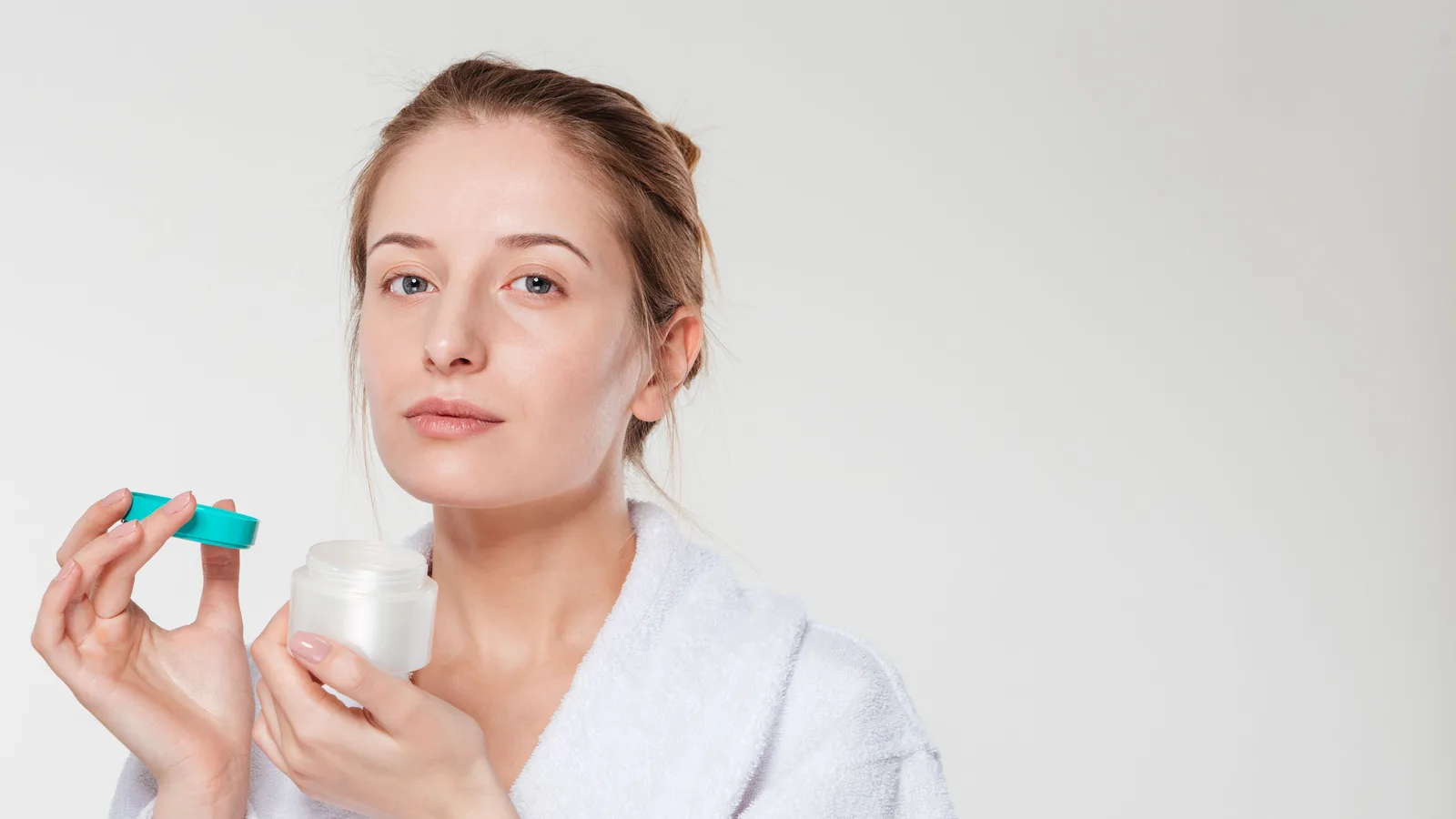
Best Dark Circle Eye Cream 2026: 5 Picks for Every Budget
A practical guide to the best eye creams for dark circles, from budget caffeine creams to brightening vitamin C formulas for sensitive and mature skin.
Best Eyelash Curlers 2026: 5 Picks for Every Eye Shape
Five eyelash curlers worth buying, from a high-street budget pick to a cult Japanese classic — plus how to choose the right curve for your eye shape.